In-Depth Analysis of Pain When Externally Rotating Shoulder: Causes, Treatments, and Prevention
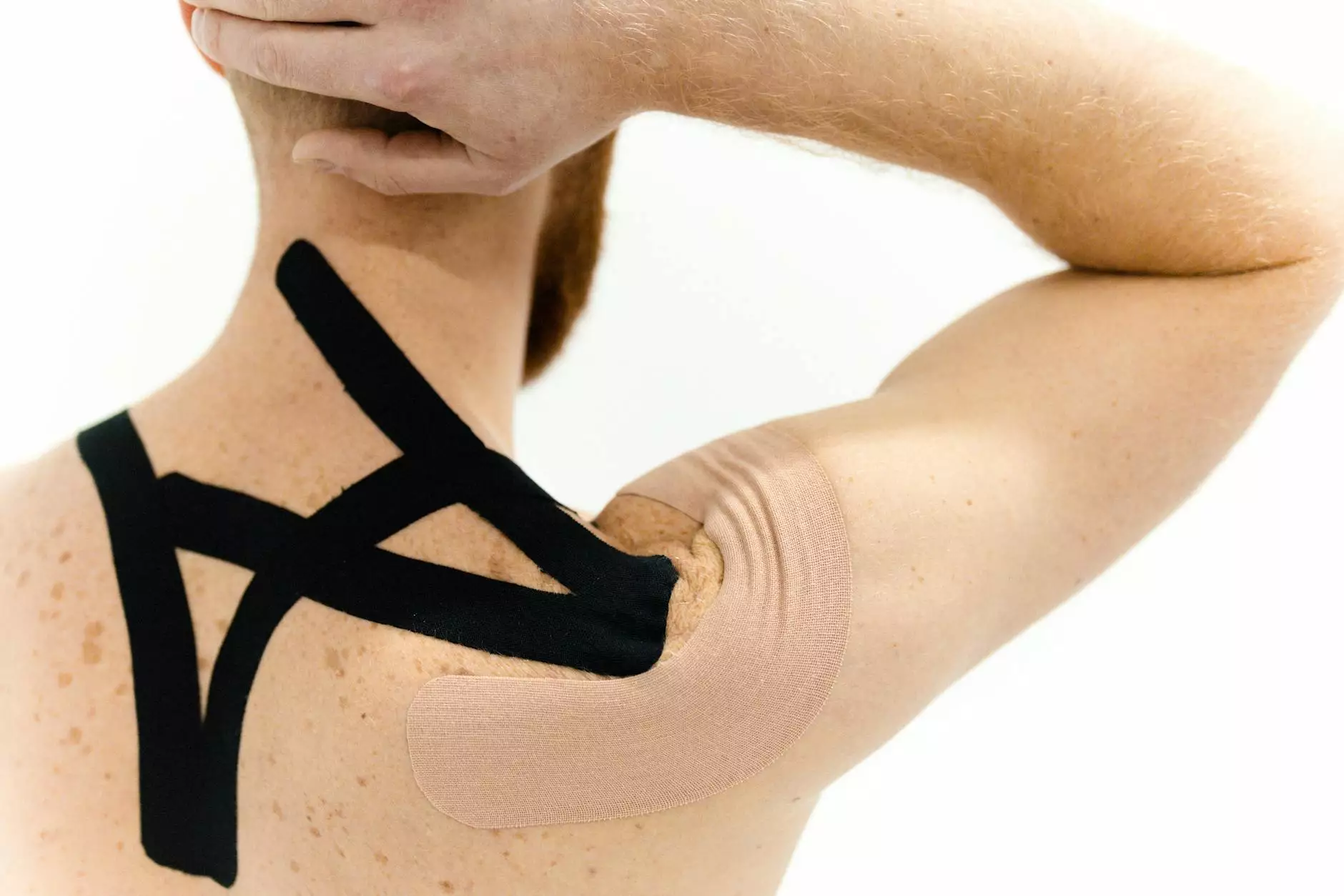
The shoulder is one of the most complex and versatile joints in the human body, allowing a wide range of motion necessary for daily activities and athletic pursuits. However, its remarkable mobility can sometimes lead to discomfort or pain during specific movements, notably pain when externally rotating shoulder. This article delves into the intricate anatomy of the shoulder, explores the potential causes of this specific pain, and provides comprehensive treatment and prevention strategies backed by medical and chiropractic expertise.
Understanding the Anatomy of the Shoulder Joint
The shoulder joint, or glenohumeral joint, is a ball-and-socket joint that connects the upper arm bone (humerus) to the scapula (shoulder blade). This design grants the shoulder an exceptional range of motion but also makes it susceptible to injuries and pain. Key components involved in external rotation include:
- Rotator cuff muscles: Supraspinatus, infraspinatus, teres minor, and subscapularis provide stability and facilitate rotational movements.
- Glenoid labrum: A fibrocartilaginous rim deepening the socket for the humeral head.
- Ligaments and tendons: Support and stabilize the joint during movement.
- Scapular stabilizers: Muscles like the serratus anterior and trapezius maintain proper positioning of the shoulder blade.
Balance and coordination among these structures are vital for pain-free external rotation. Any disruption—due to injury, overuse, or degeneration—can manifest as pain during outward shoulder movements.
Common Causes of Pain When Externally Rotating Shoulder
Experiencing pain when externally rotating shoulder can stem from various underlying issues. Recognizing these causes is crucial for effective treatment and recovery. The most frequent culprits include:
1. Rotator Cuff Tendinopathy and Tears
Repeated overhead activities or trauma can lead to inflammation or tears in the rotator cuff tendons, especially the infraspinatus and teres minor, which are directly involved in external rotation. Tears may be partial or complete, causing pain, weakness, and limited mobility.
2. Impingement Syndrome
This occurs when the rotator cuff tendons or the subacromial bursa are compressed between the humeral head and the acromion process of the scapula during arm movements. Impingement often causes pain during external rotation, especially when lifting the arm overhead or across the body.
3. Adhesive Capsulitis (Frozen Shoulder)
Characterized by stiffness and pain, frozen shoulder restricts all shoulder movements, including external rotation. It results from inflammation and thickening of the glenohumeral joint capsule.
4. Labral Tears
The glenoid labrum stabilizes the shoulder joint. A tear in this structure, often due to trauma or overuse, can cause pain particularly during external rotation and certain throwing or lifting motions.
5. Bursitis and Tendinitis
Inflammation of the subacromial bursa or rotator cuff tendons from overuse or injury can cause localized pain, especially evident during external rotation movements that stretch or compress inflamed tissues.
6. Shoulder Instability
If the shoulder joint is dislocated or subluxates, the associated ligaments and tissues may be damaged, leading to pain during rotational movements, particularly external rotation if paired with instability or looseness of the joint.
Recognizing Symptoms Associated with Pain When Externally Rotating Shoulder
Alongside pain during external rotation, patients may experience other symptoms that provide clues to the underlying cause. These symptoms include:
- Weakness in the shoulder muscles during outward rotation or lifting
- Swelling or inflammation around the shoulder joint
- Stiffness or decreased range of motion
- Clicking or grinding sensations during movement
- Persistent ache or sharp pain that worsens with activity
- Discomfort that radiates down the arm or into the neck
If these symptoms persist or worsen, seeking professional medical evaluation is essential to prevent further injury and promote effective recovery.
Diagnostic Approach to Pain When Externally Rotating Shoulder
Accurate diagnosis combines a detailed patient history, physical examination, and imaging techniques. Healthcare professionals, especially chiropractors and orthopedists, may use:
- Physical tests: Special maneuvers like the Hawkins-Kennedy test or Jobe’s Empty Can test to identify impingement or rotator cuff integrity.
- Imaging studies: MRI scans for soft tissue visualization, ultrasound for dynamic assessment, and X-rays for bone structure evaluation.
- Arthroscopy: In some cases, minimally invasive joint inspection might be necessary for definitive diagnosis and treatment.
Advanced Treatment Strategies for Pain When Externally Rotating Shoulder
Managing shoulder pain effectively requires a multidimensional approach tailored to the specific diagnosis. Here are the most effective treatment options:
1. Rest and Activity Modification
Limiting movements that exacerbate pain when externally rotating shoulder is vital. Avoid activities involving overhead lifting, throwing, or heavy lifting until inflammation subsides.
2. Physical Therapy and Rehabilitation
Structured physical therapy focusing on strengthening and stretching the shoulder muscles can restore stability and function. Specific exercises may include:
- Rotator cuff strengthening exercises
- Pec stretching and posterior capsule stretching
- Scapular stabilization routines
3. Chiropractic Care and Manual Therapy
Chiropractors specializing in neuromusculoskeletal disorders employ techniques like joint mobilizations, soft tissue therapy, and spinal adjustments to reduce pain and improve joint mechanics. These interventions can enhance shoulder mobility and decrease discomfort during external rotation.
4. Ultrasound and Laser Therapy
Physiotherapists and chiropractors may use therapeutic modalities to promote healing, reduce inflammation, and alleviate pain when externally rotating shoulder.
5. Pharmacological Interventions
NSAIDs, corticosteroid injections, or other medications can temporarily relieve pain and reduce inflammation, facilitating physical therapy and functional recovery.
6. Surgical Intervention
In cases of significant rotator cuff tears, labral injuries, or impingement resistant to conservative care, surgical options such as arthroscopic repair may be necessary to restore shoulder function.
Preventative Measures and Long-term Care
Prevention plays a crucial role in avoiding recurrent shoulder pain. Recommendations include:
- Regular stretching and strengthening exercises to maintain muscular balance.
- Proper technique during athletic or physical activities.
- Gradual progression of activity intensity to prevent overuse injuries.
- Post-injury rehabilitation to restore full range of motion before returning to demanding activities.
- Adequate rest and recovery following strenuous activities.
The Role of Chiropractic and Medical Providers in Managing Shoulder Pain
By collaborating, chiropractors and health professionals can develop personalized treatment plans that address the root cause of pain when externally rotating shoulder. Chiropractic care, combined with orthopedic consultation and physical therapy, can optimize outcomes, reduce recovery time, and improve overall shoulder health.
Summary: Empowering Patients to Overcome Shoulder Pain
Understanding the causes of pain when externally rotating shoulder and embracing a proactive approach to diagnosis and treatment is essential for restoring mobility and preventing future injuries. Whether through chiropractic interventions, physiotherapy, or surgical options, comprehensive care tailored to individual needs maximizes healing potential and helps patients regain confidence in their shoulder function.
If you experience persistent or worsening shoulder pain during external rotation, seek professional evaluation promptly. Early intervention not only alleviates discomfort but also safeguards joint health for years to come.
Contact Us for Expert Shoulder Care
At iaom-us.com, we specialize in providing advanced health and medical solutions, including expert chiropractic care, targeted rehabilitation, and patient education to address complex shoulder issues. Our team of dedicated professionals is committed to helping you overcome pain and restore optimal shoulder function.